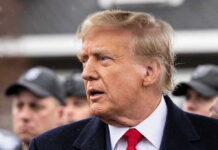

In a move that has stunned international observers and reignited debates over America’s global leadership, Pakistan’s government has announced its intention to nominate former U.S. President Donald Trump for a second Nobel Peace Prize—this time for his alleged role in brokering a ceasefire in the war-torn Gaza Strip.
Story Snapshot
- Pakistan’s government publicly declared in October 2025 its plan to nominate Donald Trump for the Nobel Peace Prize, citing his influence in achieving a Gaza ceasefire.
- This marks the second time Pakistan has advocated for Trump’s Nobel candidacy, following a similar push after the Abraham Accords in 2020.
- The nomination underscores Trump’s continued diplomatic clout and the shifting dynamics of Middle East peacemaking, even outside formal office.
- International reactions are sharply divided, with supporters praising Trump’s unconventional diplomacy and critics questioning the depth and durability of the ceasefire.
- The move highlights how Nobel nominations are increasingly used as tools of international signaling, with Pakistan seeking greater diplomatic visibility on the world stage.
The Nomination and Its Context
Pakistan’s Foreign Ministry confirmed in mid-October 2025 that it would formally nominate Donald Trump for the Nobel Peace Prize, specifically crediting his behind-the-scenes efforts to help secure a tentative ceasefire in Gaza after years of escalating violence. While the Nobel Committee maintains strict confidentiality around nominees, Pakistani officials have broken with tradition to publicize their intent, framing Trump’s involvement as pivotal to the recent lull in hostilities. This follows Pakistan’s earlier, highly publicized suggestion in 2020 that Trump deserved the prize for brokering the Abraham Accords, which normalized relations between Israel and several Arab states.
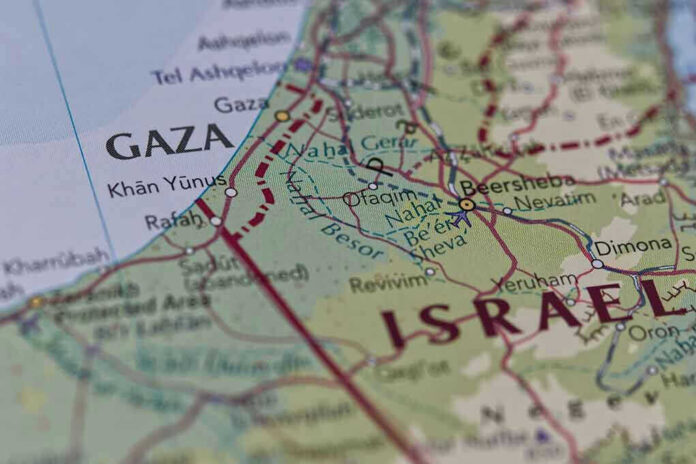
The Gaza conflict, which flared anew in 2023, has seen multiple failed ceasefire attempts and mounting civilian casualties, drawing international condemnation and calls for a durable peace. Backchannel negotiations in 2024 and 2025 reportedly involved Trump, who leveraged his relationships with regional leaders to facilitate dialogue. The resulting ceasefire, though fragile, has been hailed by some parties as a breakthrough—even as others caution that lasting peace remains elusive and Trump’s exact role is difficult to independently verify.
Political Symbolism and Global Reactions
Pakistan’s nomination of a non-Muslim, non-Pakistani former U.S. president is a rare diplomatic gesture, reflecting both the country’s desire to elevate its global profile and the unique nature of Trump’s post-presidency influence. Historically, Pakistan has been a staunch advocate for Palestinian statehood and maintains no formal diplomatic ties with Israel, making its endorsement of Trump’s peacemaking all the more striking. The move has drawn mixed reactions worldwide: Trump’s office welcomed the recognition, while Israeli and Palestinian officials offered measured responses, with some acknowledging U.S. mediation and others downplaying Trump’s direct impact.
Media coverage has highlighted the nomination’s symbolic weight, with analysts noting that the Nobel Peace Prize has often been a lightning rod for political controversy. Critics argue that the prize risks being politicized, while supporters contend that Trump’s unconventional, results-oriented diplomacy deserves recognition—especially in contrast to what they view as the Biden administration’s passive or ineffective Middle East policy. The nomination also raises questions about the criteria for the Peace Prize, with some experts emphasizing that sustained peace, not just temporary ceasefires, should be the true measure of success.
Implications for U.S. Foreign Policy and Conservative Values
For conservative Americans, especially those frustrated by what they see as the Biden administration’s retreat from global leadership and embrace of woke, globalist agendas, Pakistan’s move is a vindication of Trump’s “America First” approach to foreign policy. It demonstrates that bold, direct engagement—even by a former president operating outside official channels—can achieve tangible results where traditional diplomacy has faltered. The nomination also serves as a reminder of the importance of U.S. leadership in resolving international conflicts, a role that many conservatives believe was undermined during the Biden years.
At the same time, the episode underscores the dangers of allowing international bodies like the Nobel Committee to become politicized or influenced by foreign governments with their own agendas. Conservatives have long warned against ceding American sovereignty to global institutions, and this nomination may fuel skepticism about the objectivity and relevance of such awards. The fact that a foreign government is publicly lobbying for an American figure to receive the Nobel Peace Prize could be seen as an attempt to shape U.S. political narratives from abroad—a concern for patriots who prioritize national independence and constitutional values.
Looking Ahead
The Nobel Committee will accept nominations for the 2026 Peace Prize until January 31, 2026, and while it does not disclose the identity of nominees, the public nature of Pakistan’s endorsement ensures that Trump’s candidacy will remain in the spotlight. Whether the Gaza ceasefire holds—and whether Trump’s role is ultimately judged as decisive—will likely influence both the Committee’s deliberations and the broader debate over his legacy. For now, the nomination stands as a testament to the enduring impact of Trump’s foreign policy and the complex interplay of diplomacy, symbolism, and national interest on the world stage.
Sources:
BBC News. “Pakistan to Nominate Trump for Nobel Peace Prize Over Gaza Ceasefire.” October 2025.
Reuters. “Trump Welcomes Nobel Nomination for Gaza Ceasefire Role.” October 2025.
Al Jazeera. “Pakistan’s Nobel Nomination for Trump: Symbolism or Substance?” October 2025.
Dawn (Pakistan). “Foreign Ministry Announces Nobel Nomination for Trump.” October 2025.
The New York Times. “Trump’s Middle East Legacy and the Nobel Peace Prize Debate.” October 2025.